Dental Implants in Mount Vernon, WA: What to Expect When Replacing a Missing Tooth
If you're researching dental implants, you may already understand the basics. What you probably want to know now is whether implants are appropriate for your situation, what treatment involves, how long the process takes, and what you can expect to pay.
At Division Street Dental, Dr. Heron takes a planning-first approach to tooth replacement. A dental implant is a small post, typically made of titanium, that is placed in the jawbone to serve as an artificial tooth root. Once it has healed and integrated with the surrounding bone, it can support a restoration such as a dental crown, bridge, or implant-supported denture.
Implants can provide a stable, long-term option for replacing missing teeth, but they aren't right for everyone. Your bone volume, gum health, medical history, and restoration goals all factor into the decision. A consultation can help you understand whether implants make sense for your needs and what the process would involve.
If you're considering dental implants in Mount Vernon, WA, the first step is getting a clear picture of your options. Call our office at (360) 424-9045 to start.
Quick Takeaways
- Dental implants replace missing tooth roots and support restorations such as crowns, bridges, or dentures.
- Candidacy depends on factors including jawbone volume, gum health, and overall medical history.
- Some patients need preparatory treatment, such as an extraction, periodontal care, or bone grafting.
- Implant treatment generally takes several months because the implant needs time to integrate with the surrounding bone.
- The number of implants, preparatory procedures, and type of final restoration all affect the total cost.
- Dental insurance coverage varies, and some plans may contribute toward part of the implant treatment.
Are You a Good Candidate for Dental Implants?
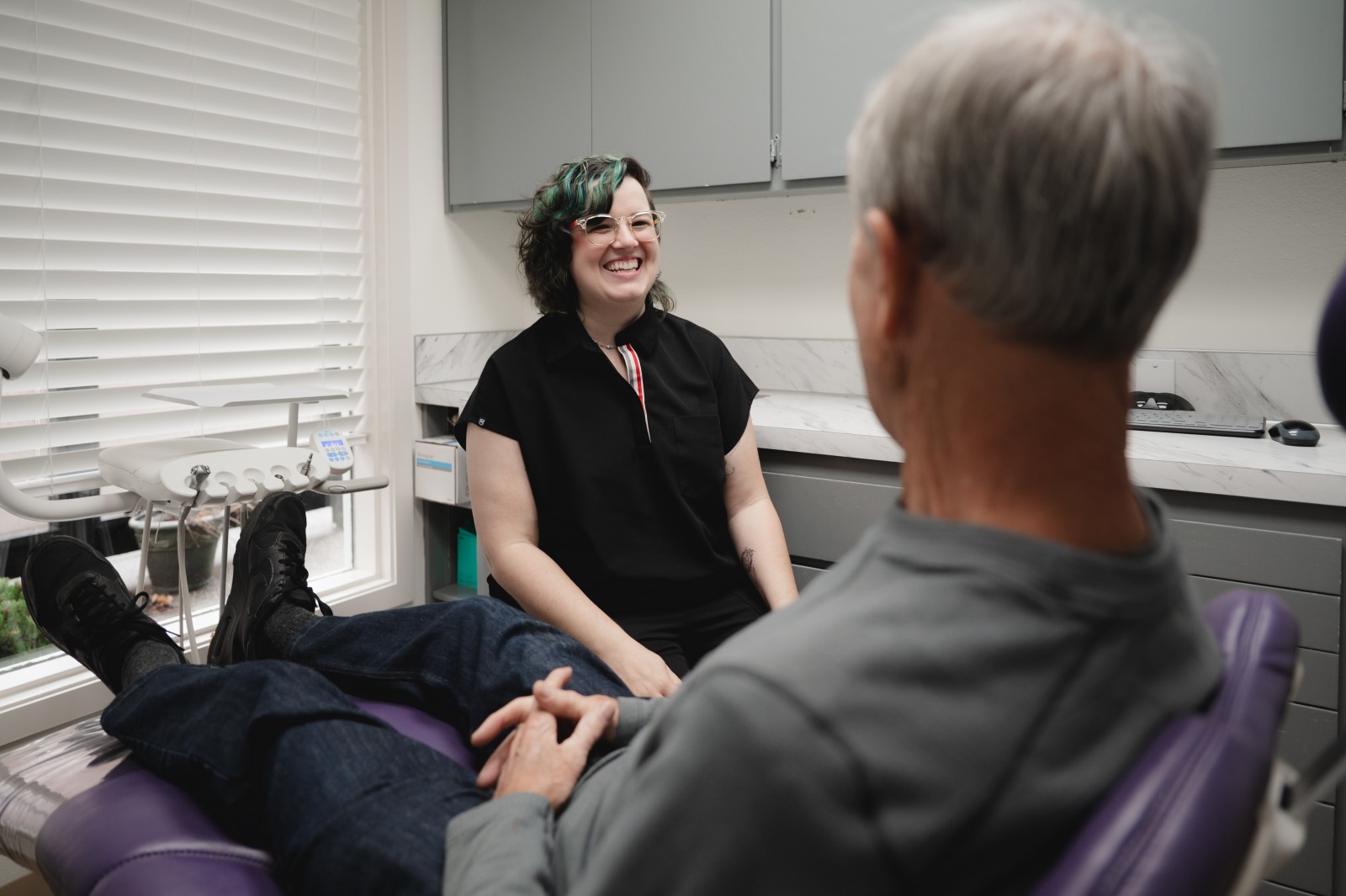
Dental implants need a healthy foundation to support them. During your consultation, Dr. Heron will evaluate the condition of your mouth and determine whether your jawbone and surrounding tissues can support the planned restoration.
Several factors influence implant candidacy:
- Jawbone volume: There must be enough bone to support the implant in the planned position. If bone has been lost, grafting may be an option.
- Gum health: Active periodontal disease should be treated before implant placement because healthy supporting tissues are important for long-term maintenance.
- Overall health: Certain medical conditions and medications can affect healing and need to be considered during treatment planning.
- Smoking and tobacco use: Tobacco can interfere with healing and increase the risk of implant complications.
- Oral habits: Clenching and grinding can place additional stress on implants and restorations, so these habits should be evaluated.
Not being an immediate candidate does not necessarily mean implants are permanently off the table. Some patients can become suitable candidates after periodontal treatment, bone grafting, or other preparatory care. Others may benefit from a different tooth replacement option.
The purpose of the evaluation is to understand what is realistic for your situation, including any limitations or additional steps that may be necessary.
What the Dental Implant Process Looks Like

Implant treatment involves several stages, and the exact sequence depends on your oral health and the type of restoration being planned. Understanding the general process can help you prepare for the appointments and healing periods involved.
1. Consultation and Treatment Planning
The process begins with an examination and a discussion of your goals. Your dentist evaluates your teeth, gums, bite, and available bone. Dental imaging, which may include three-dimensional imaging when appropriate, helps assess the anatomy and determine whether implant placement is feasible.
Your treatment plan should explain:
- Whether an implant is appropriate for the missing tooth or teeth
- Whether an extraction, bone graft, or periodontal treatment is needed
- How many implants may be required
- What type of restoration will be attached
- The expected treatment stages, timeline, and costs
2. Preparatory Treatment, If Needed
Some patients can proceed with implant placement without additional treatment. Others may need an extraction, bone graft, or care for existing gum disease before an implant can be placed.
A bone graft may be recommended when there is not enough bone volume to support an implant in the planned position. The graft needs time to heal, which can extend the overall treatment timeline.
3. Implant Placement
The implant post is surgically placed into the jawbone. The procedure is typically performed using local anesthesia, although sedation options may be discussed when appropriate.
After placement, the implant site needs time to heal. Your dentist will provide instructions for caring for the area and explain what to expect during recovery.
4. Healing and Osseointegration
During healing, the surrounding bone gradually integrates with the implant surface. This process is called osseointegration, and it helps establish the stability needed to support the final restoration.
The healing period varies based on the patient's health, implant location, bone quality, and whether grafting was performed. Follow-up appointments allow your dental team to monitor healing and determine when the next stage is appropriate.
5. Final Restoration
Once the implant has integrated sufficiently with the bone, it can support the planned restoration. Depending on your treatment plan, this may be an individual crown, an implant-supported bridge, or a denture.
The restoration is designed to fit your bite and complement the appearance of your surrounding teeth. Your dentist will check the fit, comfort, and function before completing treatment.
How Long Does Dental Implant Treatment Take?
Dental implant treatment usually takes several months from placement to the final restoration. The majority of that time is devoted to healing rather than repeated appointments.
The timeline depends on several factors:
- Tooth extraction: If a tooth needs to be removed first, the site may need time to heal before implant placement, although some cases allow immediate placement.
- Bone grafting: A graft may need several months to heal before an implant can be placed or restored.
- Implant location: Healing and restoration requirements can differ between areas of the upper and lower jaw.
- Overall health: Medical conditions, medications, and individual healing patterns can influence the schedule.
- Restoration design: Replacing one tooth may involve a different sequence than replacing several teeth or a full arch.
Your dentist can provide a more realistic estimate after examining your mouth and reviewing the treatment plan. It's important not to rush the healing process because adequate integration is necessary for the implant to support its restoration.
Dental Implant Costs in Mount Vernon, WA
The cost of dental implants varies because treatment is planned around the number of missing teeth, the condition of the jawbone, and the type of restoration needed. A single implant and crown involve different costs than replacing several teeth or restoring an entire arch.
Factors that may affect your total investment include:
- The number of implants required
- Whether teeth need to be extracted
- Whether bone grafting or other preparatory treatment is necessary
- The type and materials of the final restoration
- The complexity of the case and number of treatment stages
Bone grafting, when needed, adds to the treatment cost because it involves an additional procedure and healing period. The type and extent of grafting depend on how much bone is available and where the implant needs to be placed.
Dental insurance coverage for implants varies considerably. Some plans provide benefits toward the implant or final restoration, while others exclude certain components or have limitations. Your annual maximum, deductible, waiting periods, and plan requirements can also affect your out-of-pocket costs.
At Division Street Dental, the goal is to explain the proposed treatment and associated fees before you commit. The team can help review available dental benefit information and provide an estimate based on your specific plan.
Financing and Payment Options
Dental implant treatment can represent a significant investment, particularly when multiple implants or preparatory procedures are involved. Understanding the financial details is an important part of deciding whether and when to move forward.
Before treatment begins, ask the team to review the expected costs for each stage of care. This can help you understand which procedures are included, whether additional treatment may be needed, and what portion may be your responsibility.
Financing or other payment arrangements may be available to help spread costs over time. Division Street Dental also offers an in-house care membership option for patients interested in an alternative to traditional dental insurance. Ask the team about current membership details and whether the plan applies to the treatment you're considering.
The goal is to make sure you understand the financial commitment before making a decision.
Why Consider Division Street Dental for Dental Implants?

Choosing an implant provider involves more than finding someone who offers the procedure. Implant treatment requires careful planning, attention to the surrounding anatomy, and follow-up throughout the healing and restoration process.
At Division Street Dental, Dr. Heron emphasizes clear communication and individualized treatment planning. Patients should understand whether implants are appropriate, what preparatory care may be necessary, and what the complete process involves before moving forward.
That includes discussing:
- Whether your bone and gum health can support implant treatment
- The potential benefits and limitations of implants compared with other replacement options
- The expected treatment stages and healing time
- The estimated costs and available payment information
- How the final restoration will be designed and maintained
Implant treatment may also require coordination between surgical and restorative providers, depending on the services involved. Your treatment plan should make clear who is responsible for each stage so you understand how your care will be coordinated.
The priority is helping you make an informed decision based on your dental health, goals, and circumstances.
Common Questions About Dental Implants
How do I know if I'm a candidate for dental implants?
Good candidates generally have healthy gums, sufficient jawbone to support the implant, and overall health that allows for healing. Some patients need periodontal treatment or bone grafting first. An examination and appropriate imaging are necessary to determine whether implants are suitable for you.
Does getting a dental implant hurt?
Local anesthesia is typically used during implant placement to keep you comfortable. Some soreness, swelling, or tenderness can occur afterward, and the recovery experience varies. Your dental team will provide instructions for managing discomfort and caring for the surgical site.
How long do dental implants last?
Dental implants are designed as long-term tooth replacements, but their lifespan varies. Oral hygiene, regular dental visits, smoking, medical conditions, and bite forces can all affect their long-term success. The crown or other restoration attached to the implant may need repair or replacement over time.
Will dental insurance cover dental implants?
Coverage depends on your specific plan. Some policies contribute toward the implant or restoration, while others exclude implant treatment or limit benefits. Reviewing your plan before treatment can help clarify your potential out-of-pocket costs.
What if I don't have enough bone for an implant?
A bone graft may help rebuild the area so an implant can be placed in a stable position. Whether grafting is appropriate depends on the amount and location of bone loss. In some cases, another tooth replacement option may be more suitable.
How do I schedule a dental implant consultation at Division Street Dental?
Call Division Street Dental at (360) 424-9045 to ask about scheduling a consultation in Mount Vernon. The first step is an evaluation of your oral health, treatment goals, and available options.
Ready to Explore Dental Implants?
Replacing a missing tooth is an important decision, and you should have a clear understanding of the process before committing to treatment. A consultation at Division Street Dental gives you an opportunity to discuss your goals, review your candidacy, and understand the expected timeline and costs.
Dr. Heron and the team can help you evaluate whether dental implants are an appropriate option and explain what other approaches may be available if they aren't the best fit.
Call (360) 424-9045 to schedule a consultation at Division Street Dental in Mount Vernon, WA.