Restorative Dentistry in Mount Vernon, WA | Division St Dental
Restorative Dentistry in Mount Vernon, WA: Rebuild and Protect Your Smile
When a tooth is damaged, decayed, or missing, understanding your options is an important first step. You may already know you need treatment, or you may simply have questions about a tooth that no longer feels right. Either way, you deserve a clear explanation of what's happening, what can be done, and what each option involves before making a decision.
At Division Street Dental, Dr. Heron takes a straightforward approach to restorative care. The goal is to evaluate your dental health, explain the available treatments, and recommend an approach based on your needs rather than pressure you into unnecessary procedures.
Restorative dentistry includes treatments that repair damaged teeth, replace missing teeth, and help restore comfortable oral function. Depending on your situation, dental care options may involve crowns, fillings, bridges, dental implants, or dentures and partial dentures. The appropriate treatment depends on the condition of your teeth, gums, and supporting structures.
If you're considering restorative dentistry in Mount Vernon, WA, call our team at (360) 424-9045 to schedule a consultation. We can help you understand where to begin.
Quick Takeaways
- Restorative dentistry repairs damaged teeth and replaces missing teeth to support oral health and function.
- Treatment options may include crowns, bridges, fillings, dental implants, and full or partial dentures.
- The right restoration depends on the amount of remaining tooth structure, gum health, and your overall dental needs.
- Treatment planning begins with an examination and a discussion of your goals and concerns.
- Some procedures can be completed in one appointment, while others require multiple stages.
- Costs depend on the treatment recommended, materials, and any additional care needed.
- Division Street Dental emphasizes clear explanations so patients can make informed decisions without feeling pressured.
Restorative Dental Services at Division Street Dental
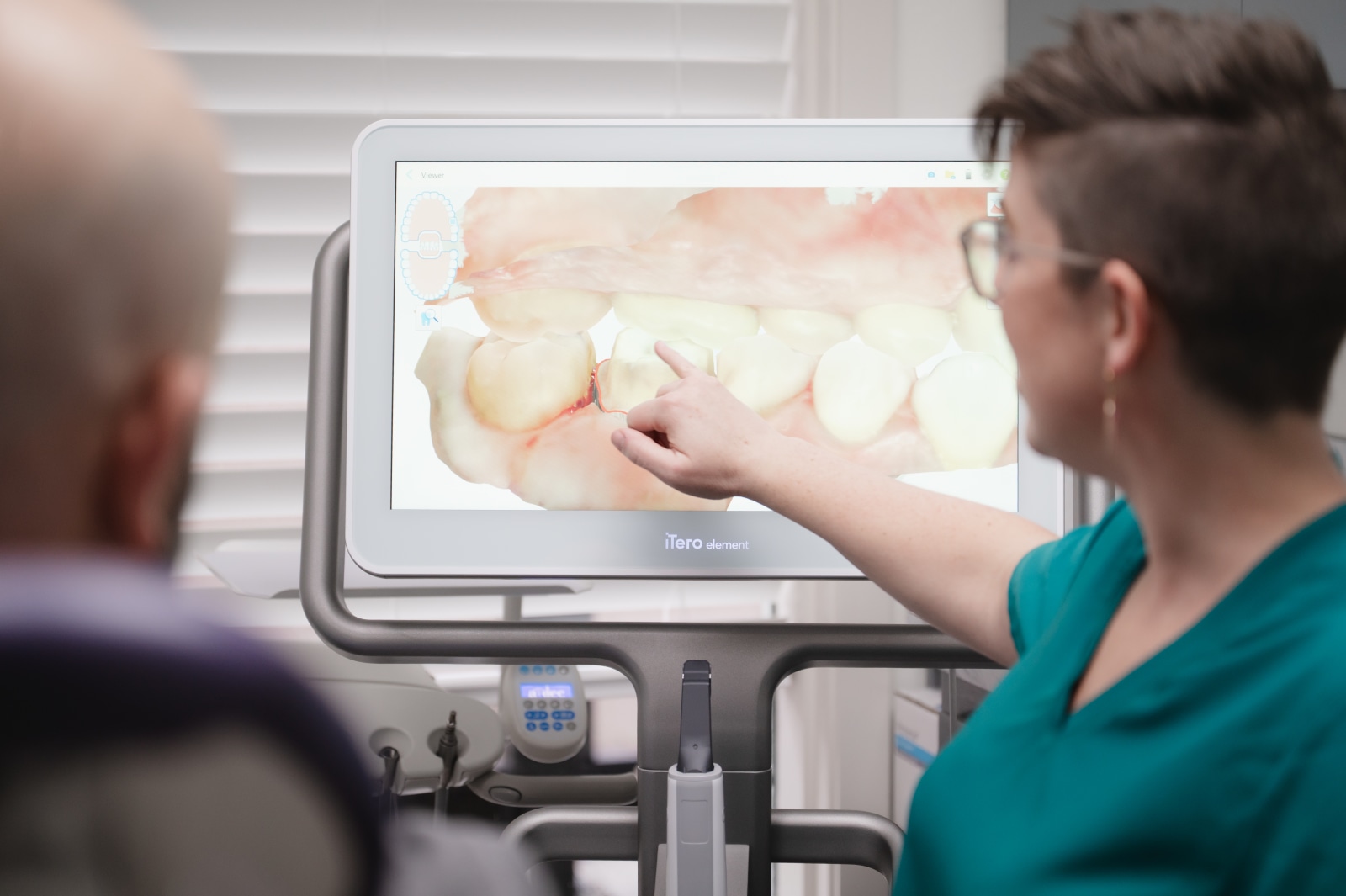
Restorative dentistry covers a range of treatments, from repairing a single cavity to replacing several missing teeth. The appropriate option depends on how much damage has occurred and what is needed to restore the tooth or area.
Dental Crowns
A dental crown covers the visible portion of a tooth to restore its shape, strength, and function. Crowns may be recommended for teeth with extensive decay, certain cracks or fractures, large failing fillings, or significant structural damage. They may also be used to protect some teeth after root canal treatment.
Dental Implants
Dental implants replace missing tooth roots and support restorations such as individual crowns, bridges, or implant-supported dentures. They can provide a stable option for replacing missing teeth, but candidacy depends on factors such as bone volume, gum health, and overall health.
Tooth-Colored Fillings
Composite fillings repair cavities using a tooth-colored resin material. They can restore teeth affected by decay or minor damage while blending with the surrounding tooth structure. Whether a filling is appropriate depends on the size and location of the affected area and how much healthy tooth remains.
Dental Bridges
A dental bridge replaces one or more missing teeth by attaching an artificial tooth to supporting teeth or implants. A traditional bridge uses neighboring teeth for support, while an implant-supported bridge is anchored by dental implants. The design depends on the location of the missing teeth and the condition of the surrounding structures.
Full and Partial Dentures
Dentures replace multiple missing teeth. A full denture replaces all teeth in an arch, while a partial denture fills spaces when some natural teeth remain. Depending on your needs, removable dentures or implant-supported options may be considered.
Who May Benefit From Restorative Dentistry?
Restorative care may be appropriate if you have damaged, weakened, decayed, or missing teeth. You don't need to know which procedure you need before scheduling an evaluation. The purpose of the examination is to identify the problem and determine which options are appropriate.
You may benefit from a restorative evaluation if:
- A tooth is cracked, chipped, broken, or noticeably worn.
- You're missing one or more teeth and have difficulty chewing comfortably.
- An older filling, crown, or bridge is damaged or no longer fits properly.
- A cavity has been identified during a recent dental examination.
- You avoid chewing on one side because of discomfort or an uneven bite.
- You have several dental concerns and want to understand how they may be addressed together.
Some problems are straightforward to treat, while others require a more comprehensive plan. For example, replacing a missing tooth may involve evaluating the surrounding teeth, gum health, and available bone. Repairing a severely damaged tooth may require determining whether enough healthy structure remains to support a restoration.
The important first step is understanding the condition of your mouth and the options available. You can begin with an examination even if you're unsure what treatment you need.
What to Expect During Restorative Treatment
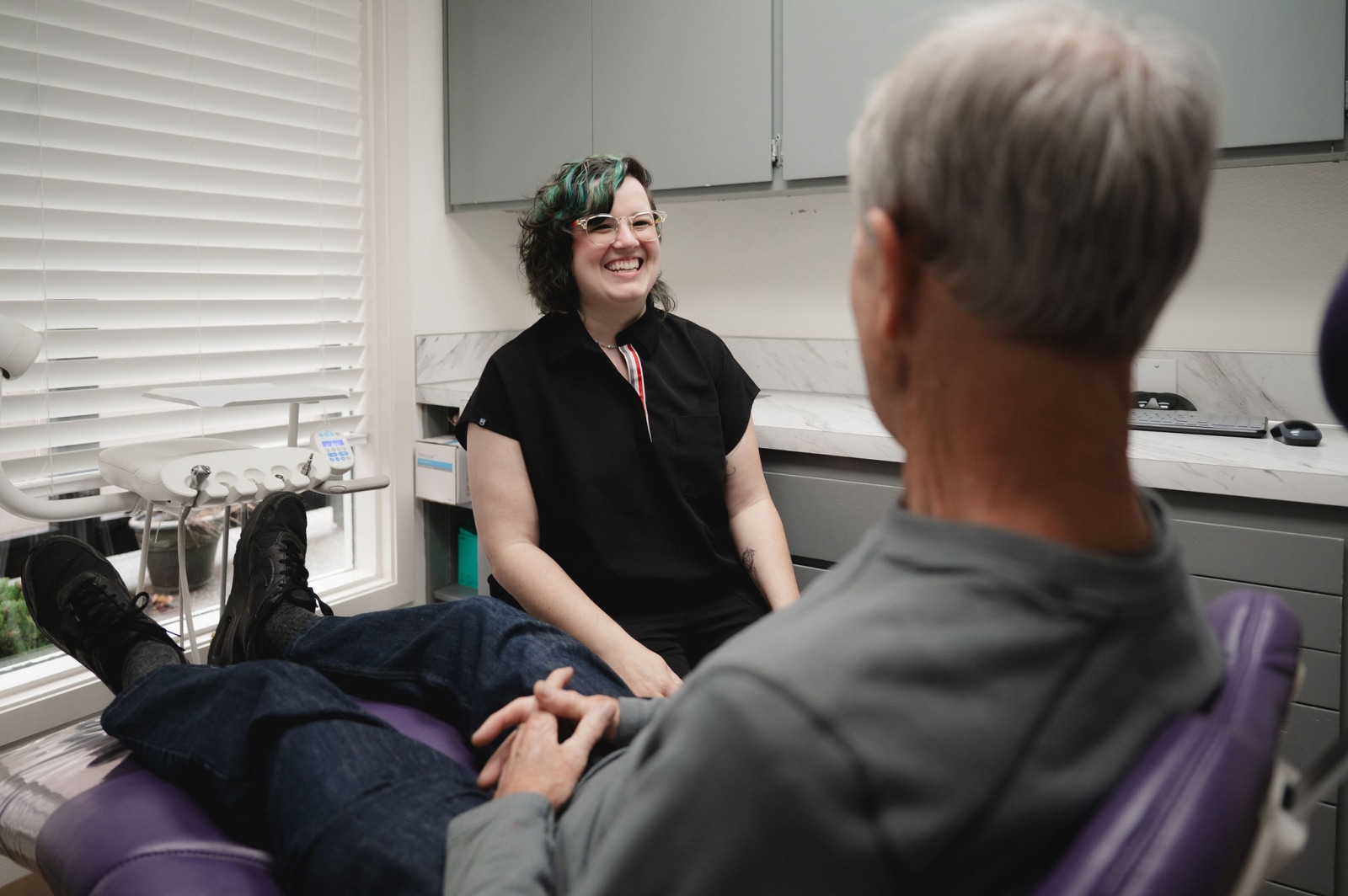
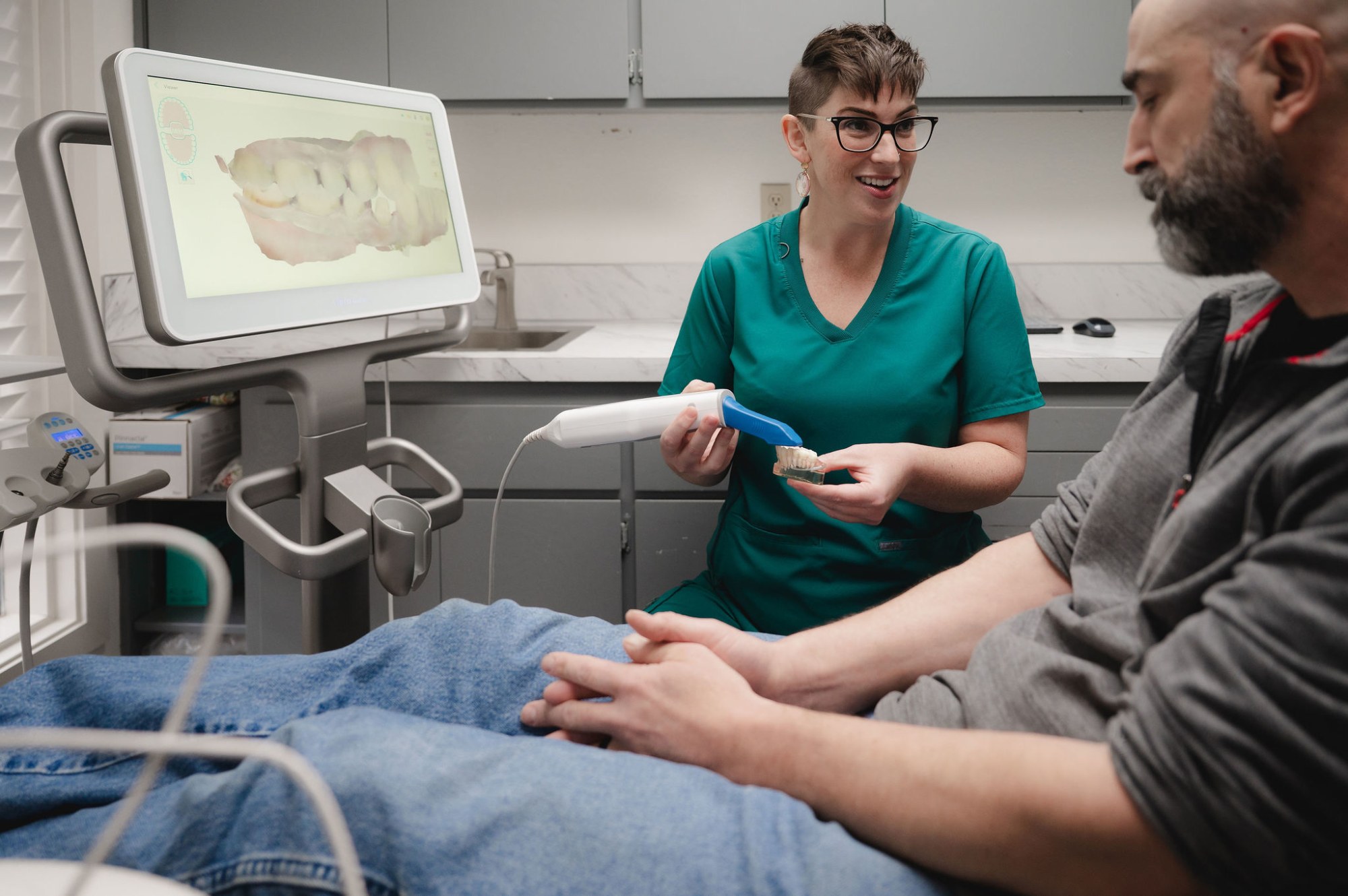
Restorative treatment begins with an evaluation rather than a predetermined procedure. Dr. Heron will assess your teeth and gums, review any necessary dental imaging, and discuss the concerns that brought you to the office.
Your consultation may include:
- A comprehensive examination: Evaluating the condition of your teeth, gums, existing restorations, and bite.
- Diagnostic imaging: Taking X-rays or other images when needed to assess areas that cannot be fully evaluated during a visual examination.
- A discussion of your goals: Understanding whether you're primarily concerned with discomfort, chewing, appearance, missing teeth, or several issues.
- Treatment recommendations: Reviewing appropriate options, their benefits and limitations, and what each involves.
- Cost and scheduling information: Discussing expected fees, treatment stages, and the time commitment before you decide how to proceed.
Some restorative treatments can be completed in a single appointment. Others require multiple visits or healing time between stages. For example, a filling may be completed in one visit, while traditional crown treatment generally requires preparation and a separate placement appointment. Dental implant treatment often involves several stages, including surgical placement and healing before the final restoration.
Your treatment plan should account for those differences so you know what to expect and can plan accordingly.
Restorative Dentistry Costs, Insurance, and Payment Options
The cost of restorative dentistry varies because each procedure addresses a different type and extent of dental damage. A filling, crown, bridge, implant, and denture each involve different materials, planning, and clinical steps.
Factors that may affect your total cost include:
- The type of restoration recommended
- The number of teeth being treated
- The materials used to fabricate the restoration
- The condition of your existing teeth and gums
- Whether additional treatment, such as periodontal care or tooth preparation, is needed
- The complexity and number of appointments involved
Dental insurance may contribute toward certain restorative procedures, but coverage depends on your specific plan. Some treatments may be covered in full or in part, while others may have limitations or exclusions. Your annual maximum, deductible, waiting periods, and plan requirements can also affect your out-of-pocket costs.
Division Street Dental follows a fee-for-service approach and aims to explain treatment costs before care begins. If you have dental benefits, the team can help review available coverage information and provide an estimate so you have a clearer understanding of your financial responsibility.
Flexible payment options may also be available. You can ask the team about current arrangements during your consultation.
Why Choose Division Street Dental for Restorative Care?

Restorative treatment can involve important decisions about your dental health, appearance, finances, and schedule. Having a clear understanding of those decisions can make the process easier to navigate.
At Division Street Dental, Dr. Heron emphasizes explaining the clinical findings behind treatment recommendations. That includes discussing what needs attention, what may be monitored, and why one restoration may be more appropriate than another.
The practice's approach centers on:
- Clear communication: Understanding what is happening with your teeth and why treatment may be recommended.
- Individualized planning: Considering your dental health, goals, and circumstances rather than applying the same treatment to every patient.
- Transparent costs: Reviewing expected fees and available payment information before treatment begins.
- Informed decisions: Giving you time to ask questions and understand the benefits, limitations, and alternatives before moving forward.
Some cases may also benefit from specialist care. When a particular procedure or condition requires additional expertise, a referral may be appropriate. The priority is choosing care that fits the clinical needs of your situation.
Frequently Asked Questions
How do I know which restorative treatment I need?
The appropriate treatment depends on the condition of your teeth, gums, and supporting structures. An examination and any necessary imaging help your dentist determine whether a filling, crown, bridge, implant, denture, or another approach is suitable.
Can I have multiple restorative procedures completed at the same time?
Sometimes. Combining treatments may reduce the number of appointments, but it depends on the procedures involved, your oral health, and the recommended treatment sequence. Your dentist can explain which steps can be coordinated and which need to happen separately.
What happens if I delay treatment for a damaged tooth?
The consequences depend on the type and severity of the problem. Decay can progress, and a weakened tooth may become more vulnerable to cracking or fracture. Your dentist can explain the risks of waiting and whether monitoring is reasonable in your particular case.
Is restorative dentistry covered by dental insurance?
Some restorative procedures receive partial or full benefits under certain dental plans, but coverage varies. Your plan's annual maximum, deductible, waiting periods, and procedure-specific requirements may affect what you pay.
Do all restorative procedures happen in one office?
Many restorative treatments can be coordinated through a general dental practice, but some conditions or procedures require specialist involvement. Your dentist can explain whether your treatment can be completed at Division Street Dental or whether a referral would be appropriate.
What if I'm not sure what treatment I need?
You can schedule a comprehensive examination without knowing which procedure you need. The evaluation helps identify any concerns, explain your options, and establish whether treatment is necessary now or whether certain areas can be monitored.
Ready to Discuss Your Restorative Dentistry Options?
Whether you're dealing with a damaged tooth, an older restoration that needs attention, or several missing teeth, understanding your options is a useful place to start.
At Division Street Dental, Dr. Heron will evaluate your dental health, explain the available treatment options, and help you understand the expected process and costs. You'll have the opportunity to ask questions and make an informed decision about what comes next.
Contact our team at (360) 424-9045 to schedule a restorative dentistry consultation at Division Street Dental in Mount Vernon, WA.
We’d love to meet you!
Schedule your personal dental experience. Call (360) 424-9045 or request an appointment online to set up your first visit. We’ll be in touch soon.
